Africa hunting species guide: South African trophy hunting list & 2027 fees
Planning an African safari requires absolute precision and reliable field data. Backed by 30 years of continuous outfitting and dangerous game guiding experience across South Africa, African Bushbuck Adventures provides this definitive master directory for hunters scouting the bushveld, Kalahari, and Free State plains. This directory serves as your complete checklist of huntable species in South Africa for the 2027 safari season.
Whether you are pursuing a premier spiral-horned slam, tracking the miniature antelope of the African Tiny 10 checklist, or booking a dangerous game safari, this guide details technical specifications, recommended calibers, bullet selection, and ethical fair-chase requirements for each species. Our outfitting model is built on sustainable wildlife management: in South Africa, regulated trophy hunting is the primary economic driver for habitat preservation, anti-poaching forces, and species prosperity.
South Africa hunting species list: An overview
South Africa remains the world's premier destination for fair-chase plains game and dangerous game hunting. The diversity of our hunting concessions across the Limpopo, Free State, KwaZulu-Natal, and North West provinces allows for an extraordinary variety of game—from the elusive Greater kudu (Tragelaphus strepsiceros) ram, the true "Grey Ghost" of the bushveld, to the massive Cape buffalo (Syncerus caffer) bull.
By reviewing our species index and booking a managed safari, you are investing directly in a conservation system where wildlife value ensures habitat expansion and healthy breeding herds.
Trophy hunting species list and conservation
Wildlife that carries tangible economic value is wildlife that is actively protected. Private wildlife stewardship in South Africa incentivizes land conversion from livestock farming back to native bushveld ecosystems, turning every safari into a direct contribution to African biodiversity. When you hunt with African Bushbuck Adventures, your trophy fees directly fund field trackers, anti-poaching patrols, and wildlife habitat restoration.
Scouting directory and species profiles
Select your target species from our active 2027 directory below. This index serves as your digital scouting tool for iconic plains game, dangerous game, and specialized exotic herds across our concessions.
Pro Tip: Each individual species profile below includes detailed shot placement diagrams, recommended bullet weights (such as Barnes TSX or Trophy Bonded Bear Claw), optics selection, and updated 2027 South Africa trophy fees.
For details on safari dates, regional concessions, or custom species packages, contact our safari planning desk directly. We assist with all custom package configurations and provide full guidance on
Click any image below to begin your scouting.
4. Dangerous game safaris
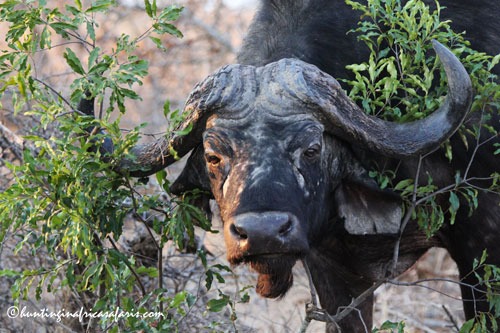
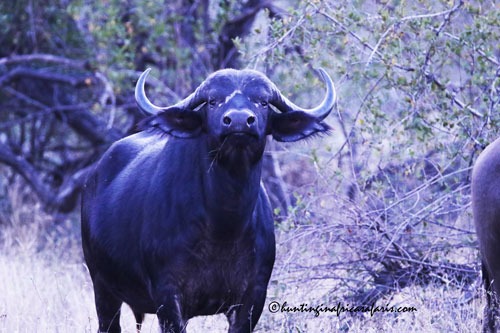
Hunting Africa's heavy hitters requires absolute physical preparation, steady nerve, and unyielding respect for dangerous game. From tracking an old Cape buffalo (Syncerus caffer) bull through thick thornveld thickets to setting up a blind for leopard (Panthera pardus), these safaris represent the pinnacle of traditional tracking. All dangerous game hunts operate under strict fair-chase principles within expansive, open concessions including the APNR adjoining Kruger National Park.
-
Cape Buffalo Bull (Syncerus caffer)
-
Cape Buffalo Cow (Syncerus caffer)
-
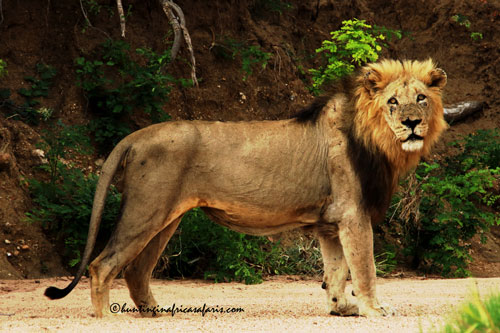
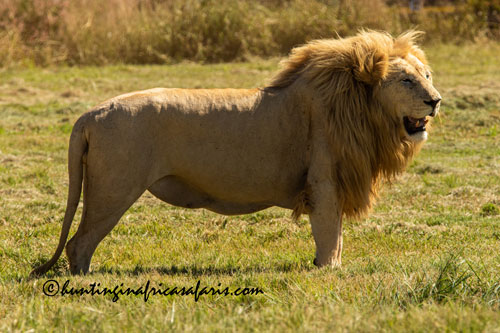
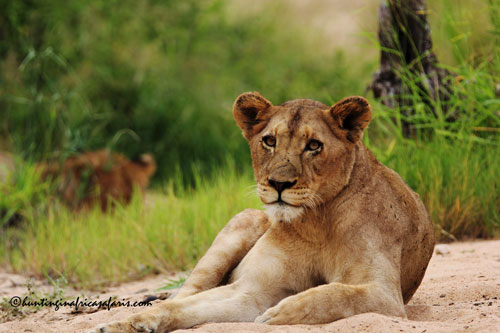
African Lion (Panthera leo)
-
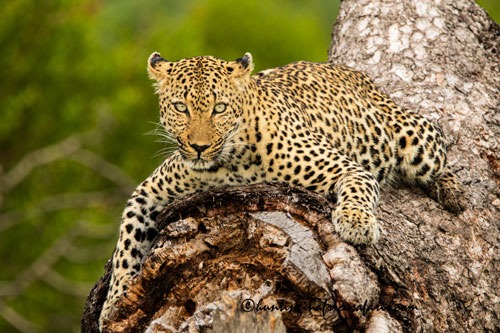
African Leopard (Panthera pardus)
-
African Elephant (Loxodonta africana)
-
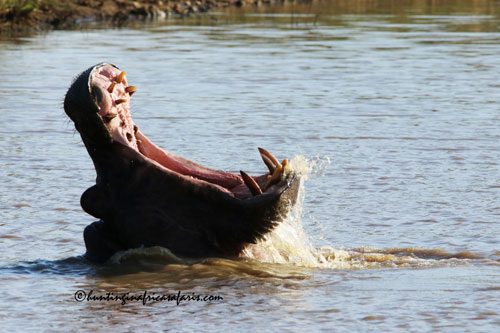
Hippopotamus (Hippopotamus amphibius)
-
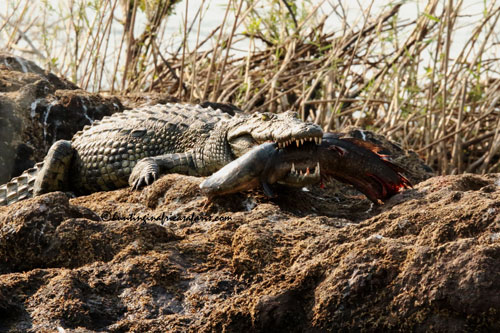
Nile Crocodile (Crocodylus niloticus)

5. Spiral-horned & premium trophies
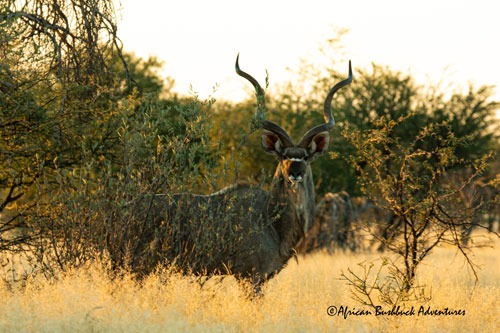
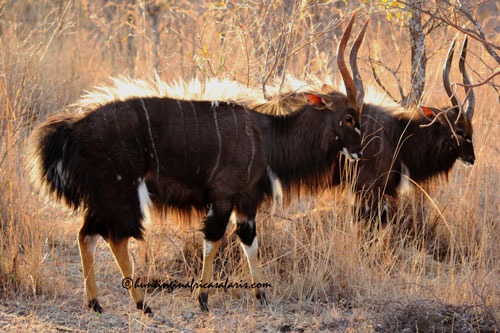
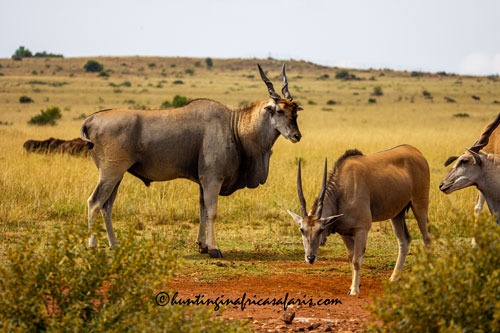
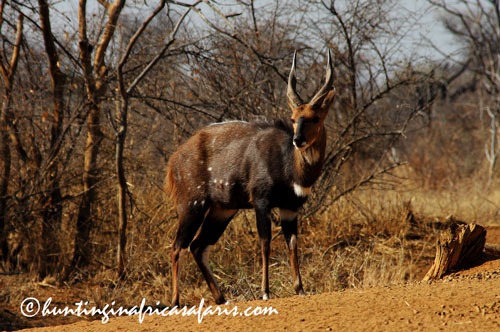
The pursuit of Africa's spiral-horned antelope is a classic test of woodcraft, requiring patience and sharp optics in dense riverine bush and broken terrain. From the deep-chested curls of a mature Greater kudu (Tragelaphus strepsiceros) ram to the cautious movement of a Nyala (Tragelaphus angasii) or Cape eland (Taurotragus oryx) bull, these premier trophies represent the quintessential heart of an African safari.
-
Greater Kudu (Tragelaphus strepsiceros)
-
Nyala (Tragelaphus angasii)
-
Cape Eland (Taurotragus oryx)
-
Bushbuck (Tragelaphus sylvaticus)
6. Plains game & pygmy antelope
From vast open savannas to dense tangled brush, South Africa's diverse terrain hosts an incredible selection of fleet-footed veld species. Whether matching wits with a sharp-eyed Impala (Aepyceros melampus) ram on the flats or glassing for a hidden Common duiker (Sylvicapra grimmia) along a kopje ridge, these hunts demand steady marksmanship and sharp field observation.
-
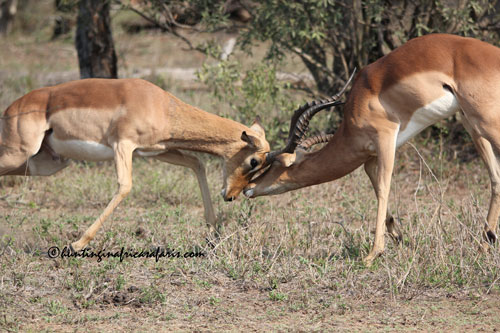
Impala (Aepyceros melampus)
-
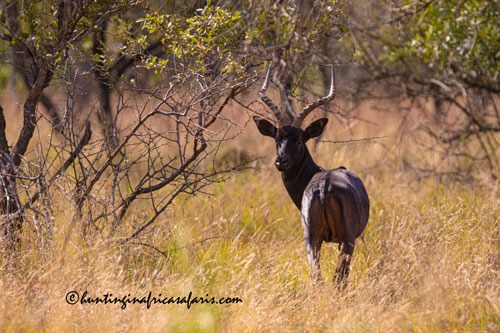
Black Impala (Aepyceros melampus)
-
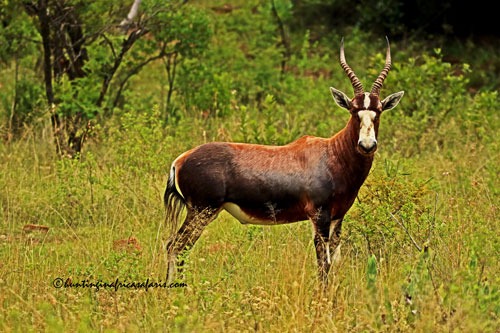
Blesbok – Common (Damaliscus pygargus phillipsi)
-
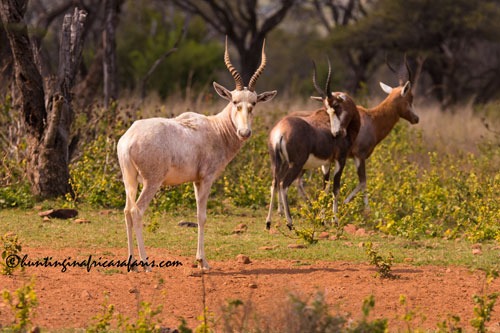
Blesbok – White (Damaliscus pygargus phillipsi)
-
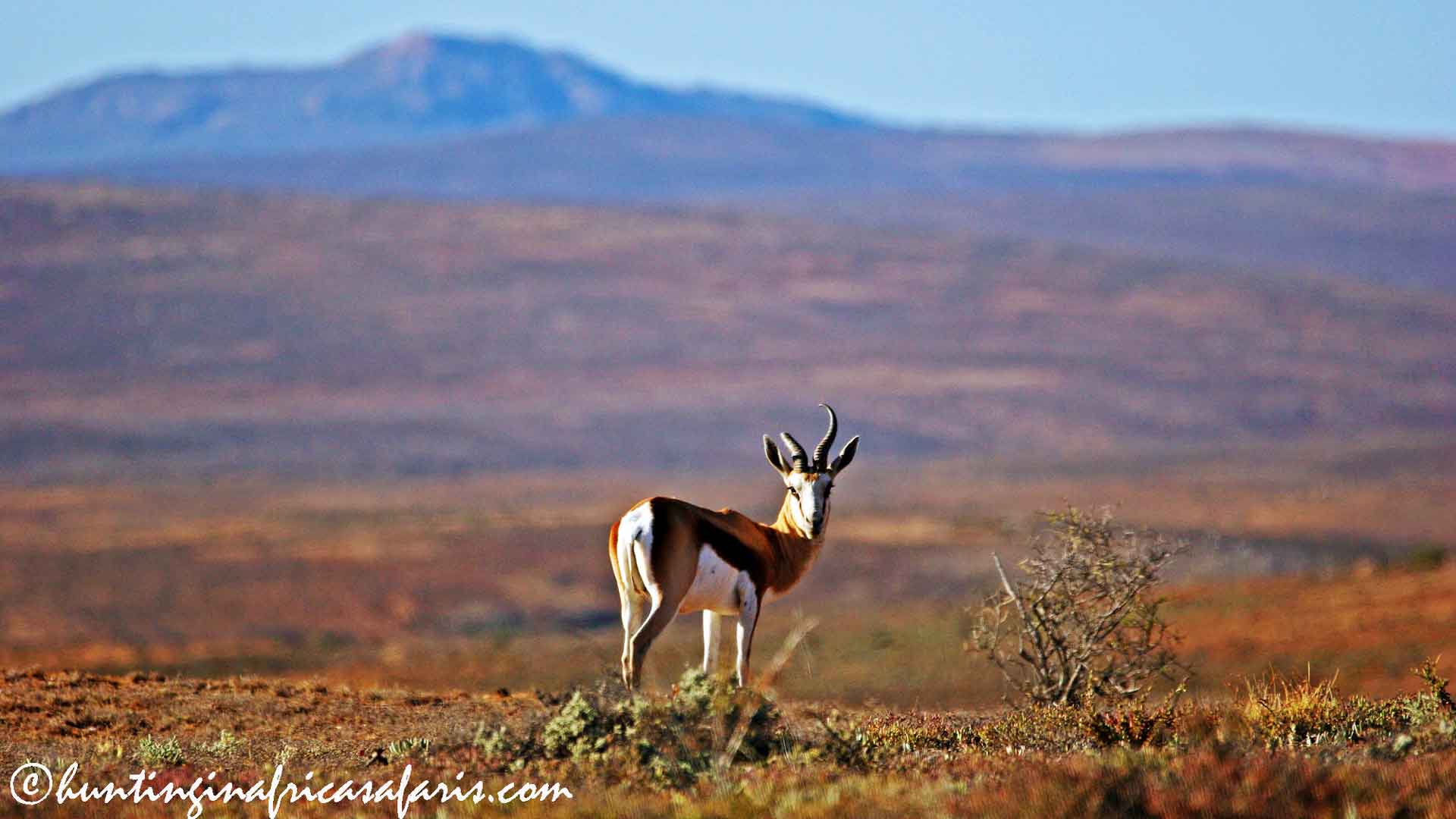
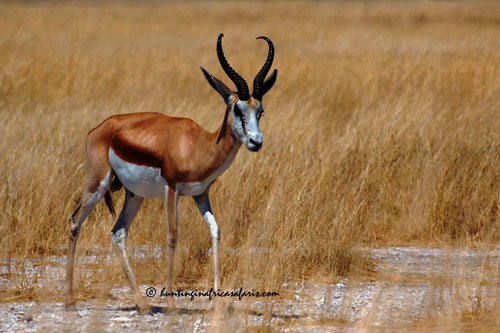
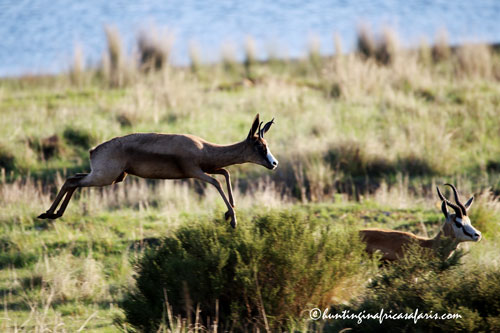
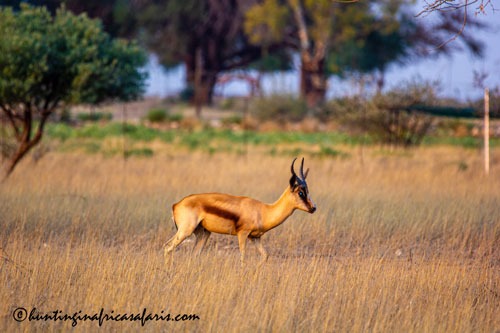
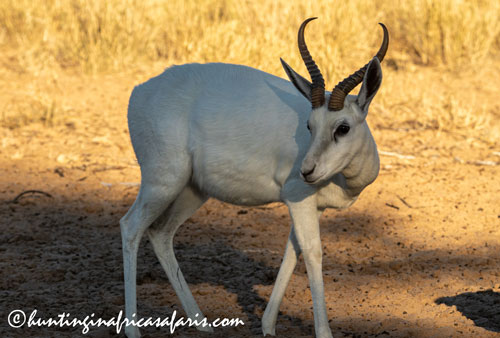
Springbok – Common (Antidorcas marsupialis)
-
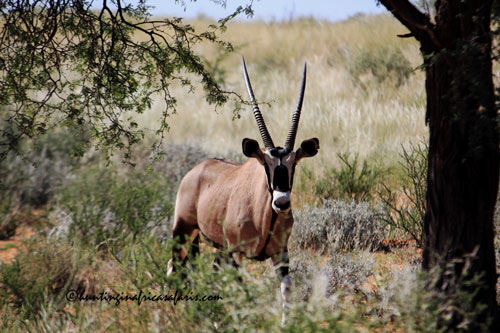
Gemsbok / Kalahari Oryx (Oryx gazella)
-
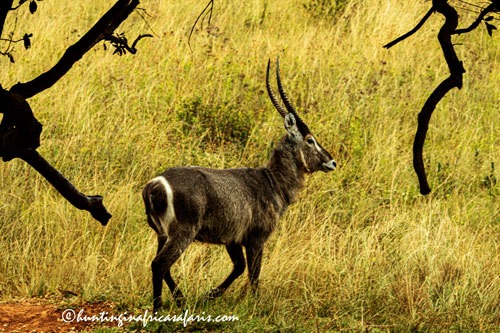
Waterbuck (Kobus ellipsiprymnus)
-
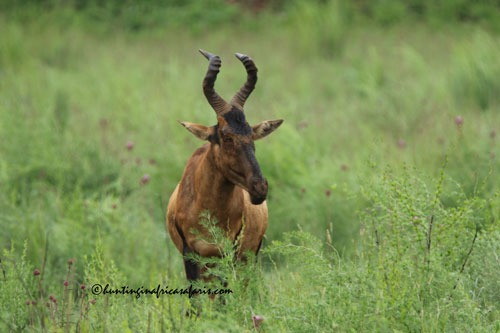
Red Hartebeest (Alcelaphus buselaphus)
-
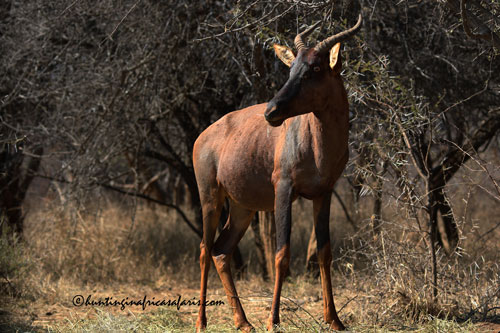
Tsessebe (Damaliscus lunatus lunatus)
-
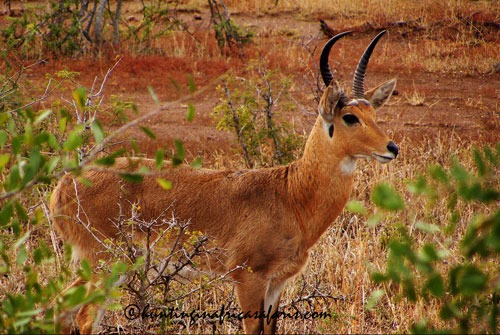
Reedbuck – Common (Redunca arundinum)
-
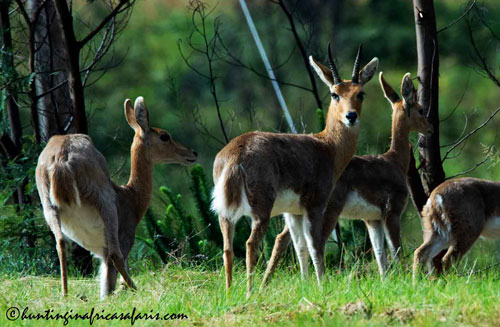
Reedbuck – Mountain (Redunca fulvorufula)
-
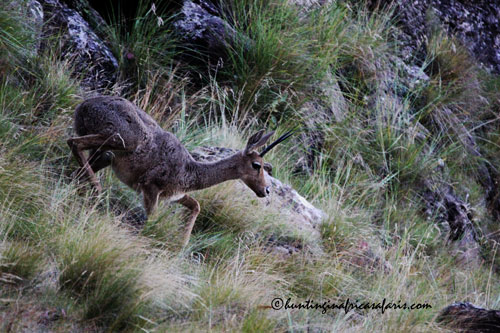
Vaal / Grey Rhebok (Pelea capreolus)
-
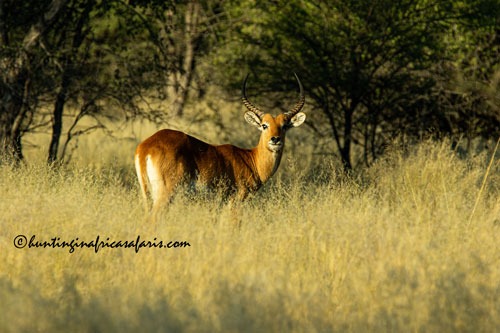
Red Lechwe (Kobus leche)
7. Specialized species & exotic herds
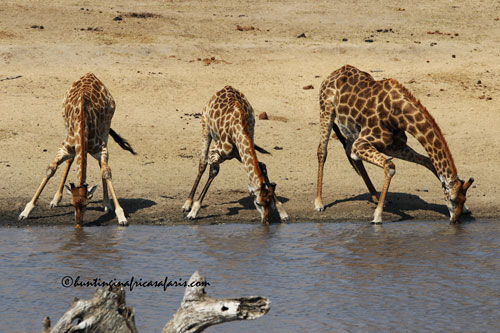
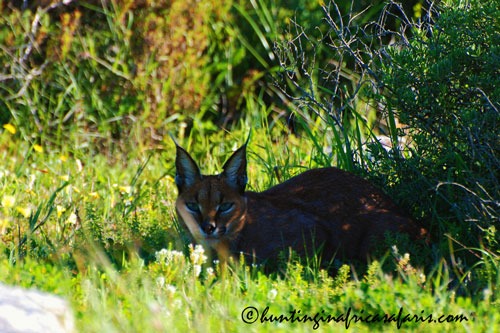
For the dedicated collector, our concessions offer rare opportunities to hunt apex predators, ancient heritage bloodlines, and unique game animals. From tracking the cunning Spotted hyena (Crocuta crocuta) on night safaris to stalking a heavy Giraffe (Giraffa camelopardalis) bull with a .375 minimum rifle setup, these pursuits test tracking patience and long-range fieldcraft.
-
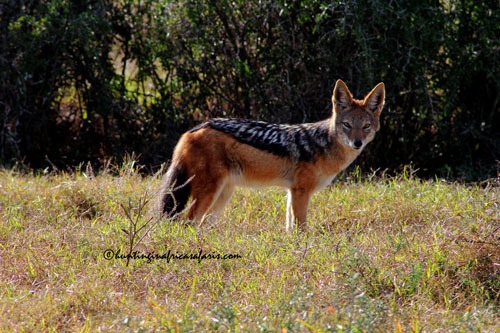
Spotted Hyena (Crocuta crocuta)
-
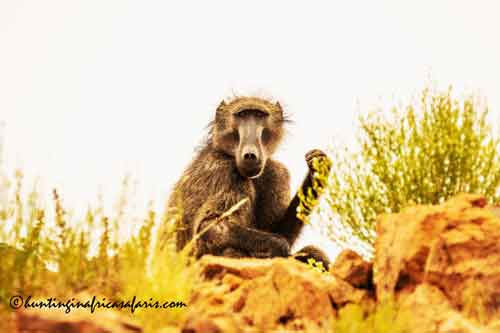
Chacma Baboon (Papio ursinus)
-
Giraffe (Giraffa camelopardalis) – .375 minimum caliber required
-
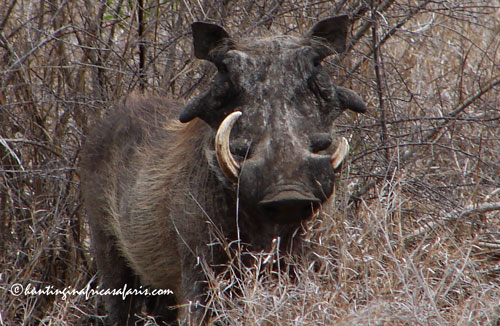
Warthog (Phacochoerus africanus)
-
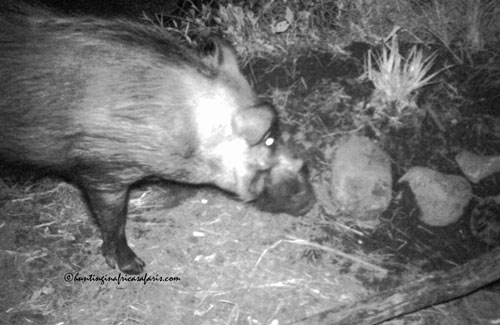
Bushpig (Potamochoerus larvatus)
-
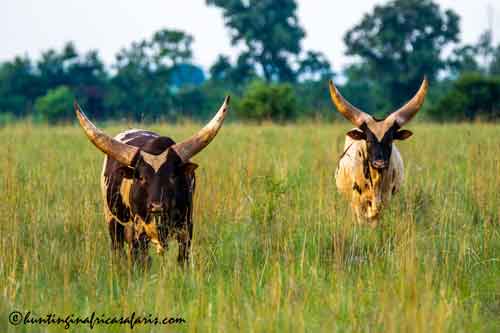
Ankole Watusi (Bos taurus)
-
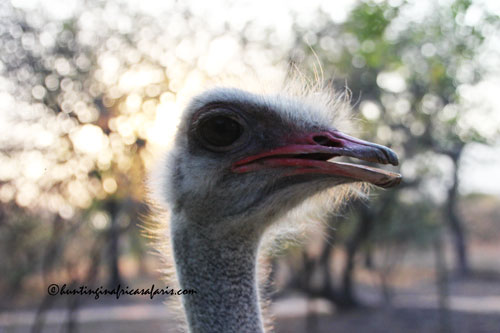
Ostrich (Struthio camelus)

8. Wildebeest & zebra variants
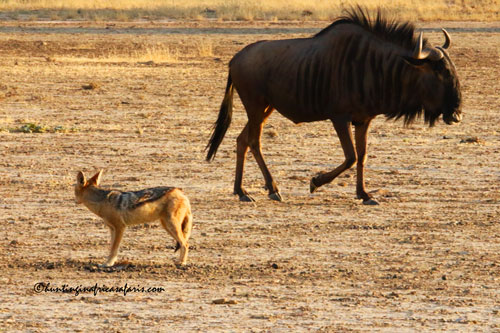
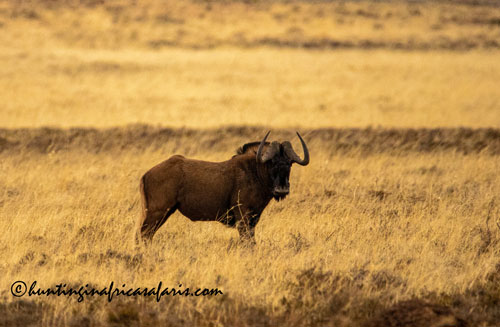
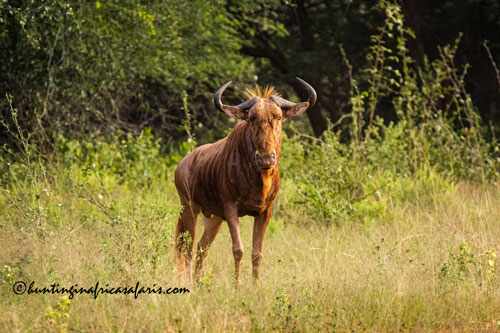
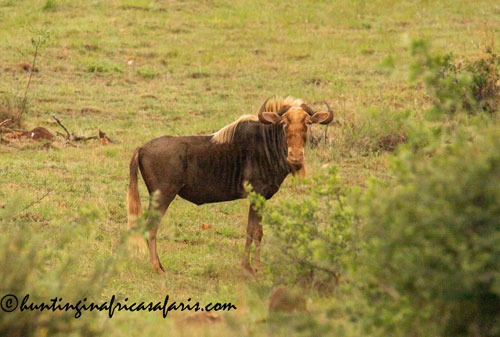
The African bush is defined by the thunder of hooves across open terrain. From the iconic Blue wildebeest (Connochaetes taurinus) and high-plains Black wildebeest (Connochaetes gnou) to striking color variants like the Golden wildebeest, these herd animals provide challenging walk-and-stalk safaris and tough, hard-fighting bull recoveries.
-
Blue Wildebeest (Connochaetes taurinus)
-
Black Wildebeest (Connochaetes gnou)
-
Golden Wildebeest (Connochaetes taurinus)
-
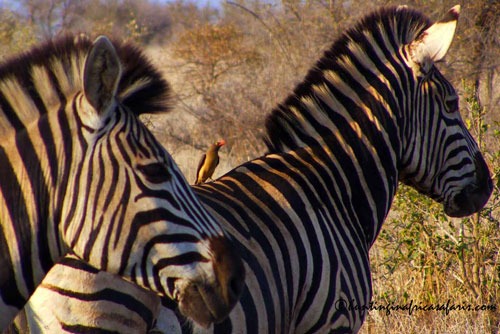
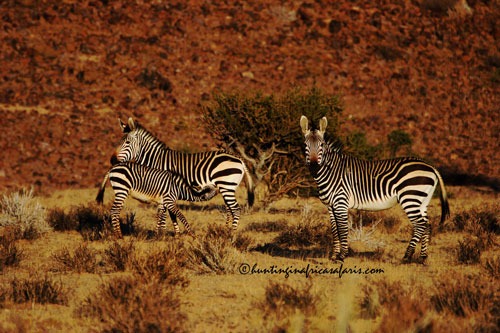
Burchell's Zebra (Equus quagga)
Hunting the African Tiny 10
The African Tiny 10 collection represents the ultimate test of patience, sharp eyesight, and specialized fieldcraft. Stalking these miniature antelope requires slow, deliberate tracking through dense sand forests, riverine thickets, and rocky kopjes. African Bushbuck Adventures coordinates dedicated collectors across specialized concessions with seasoned tracking teams. Livingstone Suni (Nesotragus moschatus livingstonianus) Sharpe's Grysbok (Raphicerus sharpei) Cape Grysbok (Raphicerus melanotis) Damara Dik-Dik (Madoqua kirkii damarensis) Blue Duiker (Philantomba monticola) Red Duiker (Cephalophus natalensis) Klipspringer (Oreotragus oreotragus) Common Duiker (Sylvicapra grimmia) Steenbok (Raphicerus campestris) Oribi (Ourebia ourebi)
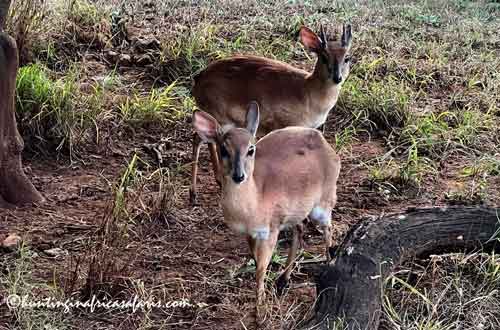
Livingstone suni
Nesotragus moschatus livingstonianus
Explore specialized tracking tactics and regional packages for this premium sand forest trophy.
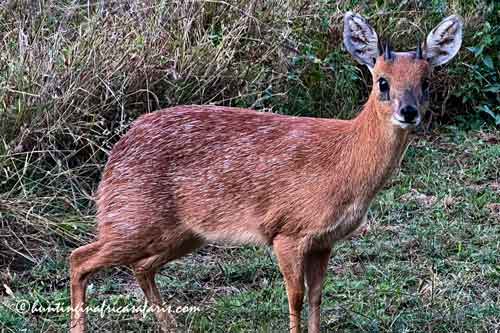
Sharpe's grysbok
Raphicerus sharpei
Explore specialized tracking tactics and regional packages for this premium sand forest trophy.
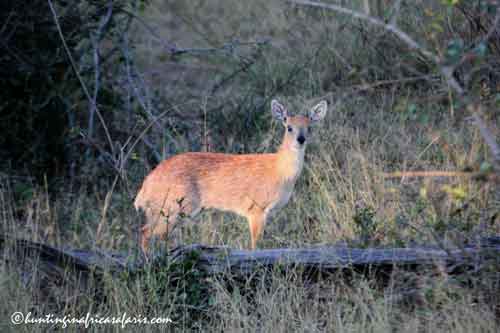
Cape grysbok
Raphicerus melanotis
Explore specialized tracking tactics and regional packages for this premium sand forest trophy.
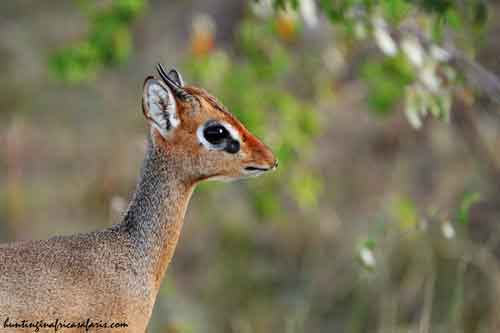
Damara dik-dik
Madoqua kirkii damarensis
Explore specialized tracking tactics and regional packages for this premium sand forest trophy.
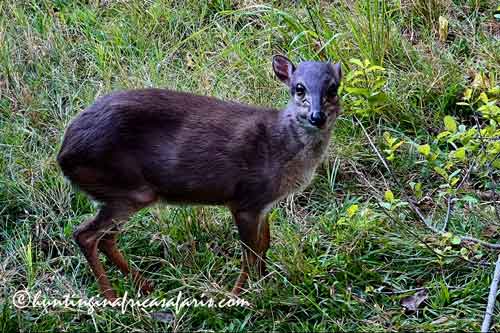
Blue duiker
Philantomba monticola
Explore specialized tracking tactics and regional packages for this premium sand forest trophy.
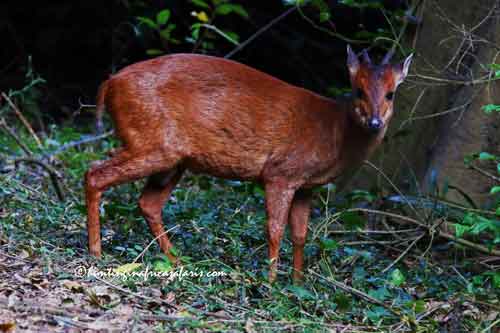
Red duiker
Cephalophus natalensis
Explore specialized tracking tactics and regional packages for this premium sand forest trophy.
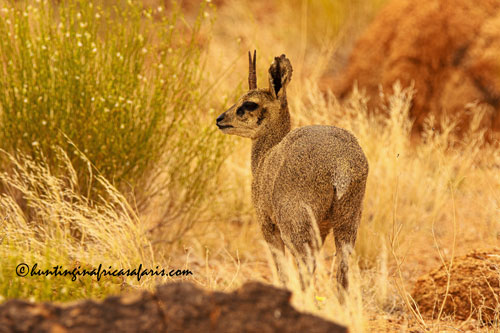
Klipspringer
Oreotragus oreotragus
Explore specialized tracking tactics and regional packages for this premium sand forest trophy.
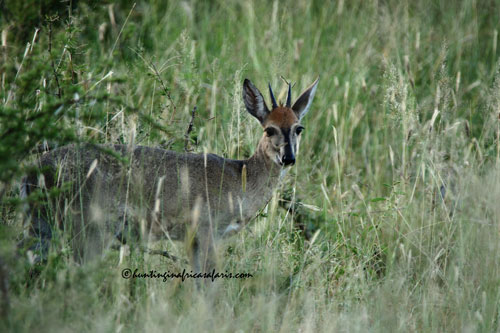
Common duiker
Sylvicapra grimmia
Explore specialized tracking tactics and regional packages for this premium sand forest trophy.
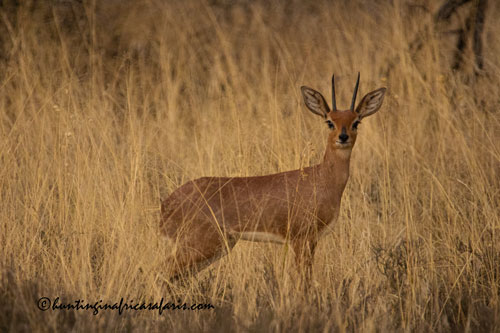
Steenbok
Raphicerus campestris
Explore specialized tracking tactics and regional packages for this premium sand forest trophy.
Oribi
Ourebia ourebi
Explore specialized tracking tactics and regional packages for this premium sand forest trophy.
9. Frequently Asked Questions
Questions all hunters ask at some point answered.
1. Is a "Spiral Horn Slam" achievable in a single safari?
Yes, but it requires strategic planning. Our territories in the Pretoria and North West districts are home to the Kudu, Nyala, Eland, and Bushbuck. While all four can be taken in a 10-to-12-day safari, the "Slam" depends on the hunter’s mettle and the movement of the elusive Bushbuck and Nyala.
2. What is the average shooting distance in the bushveld?
In our diverse terrain, shots can range from 80 yards in thick brush to over 250 yards on the open plains. We recommend that hunters practice from shooting sticks in various positions, as the "fair-chase" nature of our hunts often requires quick, stabilized shots rather than bench-rest conditions.
3. How are trophy fees calculated for plains game?
Our 2026 price list is transparent: fees are based on a "per species" basis as listed in our PDF guide. We focus on mature, past-prime males. Unlike some outfitters, we do not have hidden "surcharges" for high-ranking SCI trophies; our goal is sustainable management through the harvest of old, representative bulls.
4. Are Hippopotamus and Crocodile hunts considered conservation-led?
Correct. Every Hippo and Crocodile permit we issue is part of a strictly regulated management plan. Because these apex predators share water sources with local communities, managed hunting prevents human-wildlife conflict and funds the protection of the aquatic ecosystems they inhabit.
5. How do you handle the CITES permit process for Leopard and Elephant?
Dangerous game permits are quota-based and highly regulated. African Bushbuck Adventures handles the technical paperwork and CITES applications required for the legal export of these trophies. We recommend booking these safaris at least 12 months in advance to secure the necessary permits from the provincial authorities.
6. What happens if a dangerous game animal is wounded?
Ethical hunting dictates that a wounded animal is considered a taken trophy, and the full fee applies. Our Professional Hunters are experts in tracking and backup, and we use every resource available—including trackers and dogs where legal—to ensure a swift, ethical recovery of the animal.
Services
Contact
hunt@huntinginafricasafaris.com
+27 82 824 7681
on Whatsapp and Telegram
Hours
Mondays from: 06:00 - 20:00 (6 am - 8 pm)
Tuesday - Saturday from: 06:00 - 20:00 (6 am - 8 pm)
Sunday: Closed unless we are hunting.